Unlocking Creative Potential with Text-Ready Design Templates
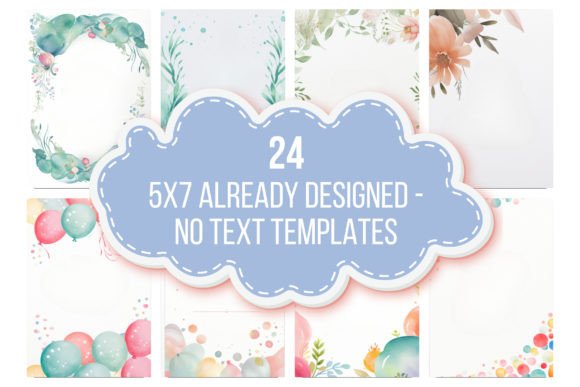
Every designer, entrepreneur, and content creator hits a wall when starting a new project. You have the concept, the color palette, and the message, but the blank canvas is intimidating. This is where the efficiency of Text-Ready Design Templates becomes a game-changer. These aren't just static images; they are 24 carefully crafted foundations designed to elevate your visual hierarchy and streamline your workflow. By providing a robust visual structure, these templates allow you to focus on the core message, ensuring that the final design assets look polished and professional without requiring you to start from scratch.
The Anatomy of a High-Impact Visual Foundation
When we look at the visual characteristics of these Text-Ready Design Templates, the first thing that strikes you is their balance. The designs span a diverse range of events, themes, and styles, yet they all share a common DNA: they are built to support your content, not overshadow it. Whether you are working on editorial design, packaging design, or simple social media graphics, the layout is king. These templates offer a sophisticated interplay of negative space and structural elements that guide the viewer's eye naturally.
Because the files are provided in high-resolution formats—5x7 inches at 300 DPI—the visual clarity is impeccable. This is crucial for maintaining a professional brand identity. The "text-ready" aspect implies that the design leaves room for typography without creating visual noise. Imagine a scrapbooking page where the background elements frame your handwritten notes perfectly, or an invitation where the geometric patterns accentuate the event details. The personality of these designs is versatile; they can be playful, corporate, vintage, or modern depending on how you utilize the space. This adaptability makes them a premium addition to any creative's toolkit.
Strategic Applications for Brands and Creators
Understanding where these templates fit into your broader strategy is key to maximizing their value. For small business owners and marketers, consistency is the currency of trust. Using Text-Ready Design Templates allows you to produce a high volume of content—be it flyers, posters, or digital ads—while maintaining a cohesive look. This is particularly vital for web design assets and logo design presentations where the backdrop needs to be strong enough to hold the brand mark but subtle enough to let it breathe.
For the crafters and hobbyists, the application is more personal but equally impactful. Consider the tactile world of journaling and scrapbooking. These templates provide a structured aesthetic that can turn a chaotic collection of memories into a curated gallery. Furthermore, the commercial potential is significant. If you are a publisher or a content creator, you can use these as the basis for lead magnets, eBook covers, or printable wall art. The ability to add your own text means you can tailor the message to specific audiences, transforming a generic design into a targeted marketing tool.
Integrating Typography and Design Assets
One of the most powerful aspects of these Text-Ready Design Templates is that they ship without fonts. While this might sound like a limitation, it is actually a massive advantage for brand identity management. It forces you to apply your own typeface choices, ensuring that the final product is 100% on-brand. This is where the art of font pairing comes into play. You aren't locked into someone else's aesthetic; you are free to overlay a bold serif font for a classic look or a clean sans serif font for modern minimalism.
The visual hierarchy is defined by the layout, but it is completed by your typography. A script font or handwritten font can add warmth and personality to a greeting card, while a heavy display font makes a statement on a poster. Because the templates support various file formats like JPG, PNG, SVG, and PDF, you have the flexibility to use different editing programs. This allows for precise control over kerning, leading, and tracking—essential elements of modern typography. The result is a seamless blend of graphic design and typesetting that feels intentional and polished.
Practical Workflow and Implementation Tips
To get the most out of these design assets, you need to approach them with a practical mindset. First, evaluate the project fit. A floral template might be perfect for a wedding announcement but less effective for a corporate report. Once you have selected a template, the next step is to test your font pairings. Don't just settle for the first option; experiment with different weights and styles to see how they interact with the template's graphics. Does the text compete with the background elements, or does it sit comfortably within the composition?
Readability is the ultimate metric of success. Even the most beautiful creative font is useless if it cannot be read at a glance. Ensure your text has sufficient contrast against the background. If the template has a busy area, consider using that space for a logo or a small icon rather than a block of text. Finally, consider the technical workflow. Since these are digital downloads, you will need a computer and a design program that handles the specified file formats. This setup allows for infinite customization, meaning you can tweak colors, resize elements, and adjust opacity to create a unique piece every time you use the template. This flexibility ensures that your commercial font and design choices remain the star of the show.