Modern Business Card Design Templates for Your Brand
In the digital-first world, the tangible weight of a premium business card remains a powerful differentiator. Luxury Business Card Templates offer a bridge between high-end graphic design and accessible branding, providing the sophisticated aesthetic of a custom agency project without the associated cost. These templates are designed for professionals who understand that the first physical interaction with a client sets the tone for the entire business relationship. They aren't just pieces of paper; they are tactile representations of your brand identity, and using a modern template ensures that representation is polished, contemporary, and intentional.
The Anatomy of Modern Sophistication
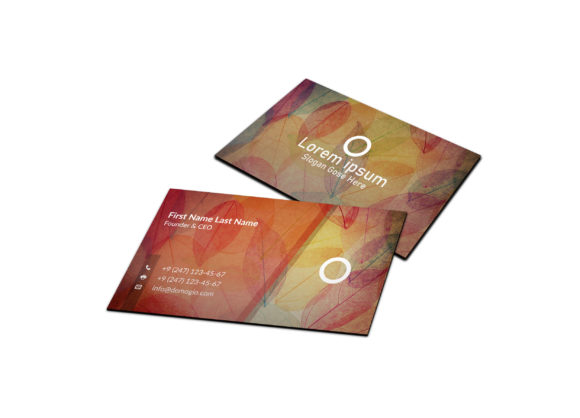
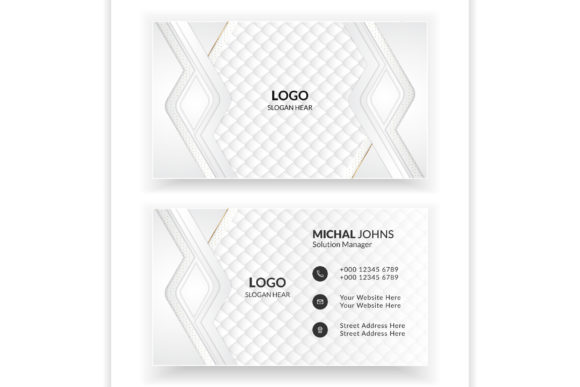
What defines a "modern" business card design? It often comes down to the interplay of clean lines, strategic white space, and high-quality typography. These templates typically move away from cluttered layouts, favoring a minimalist approach that highlights essential information. Visual characteristics often include geometric shapes, subtle textures, or elegant foil-effect overlays that catch the light. The personality of these designs is confident and professional, appealing to industries ranging from tech startups to high-end real estate and creative agencies.
The visual appeal lies in the versatility of the design assets. A well-crafted template balances serif fonts for a touch of tradition with sans serif fonts for modern readability. You might see script fonts used sparingly for a logo design element or a tagline, adding a personal, handwritten touch to an otherwise structured layout. This blend of typeface styles creates a dynamic visual hierarchy, ensuring that the recipient’s eye is drawn to your name and title first, followed by contact details. The overall style is one of refined restraint—luxury that whispers rather than shouts.
Customization: Making the Template Your Own
The true value of these Luxury Business Card Templates lies in their editability. A static image is useless to a business owner; these are fully editable files, often provided in EPS format, which ensures scalability without loss of quality. This means you can resize elements for other marketing materials, such as social media graphics or web design headers, maintaining brand consistency across all platforms.
The customization process is designed to be intuitive. You aren't locked into the original color palette. If your brand identity relies on specific hex codes, you can easily swap out the background colors and text shades to match your corporate guidelines. Text fields are fully editable, allowing you to update job titles, phone numbers, and URLs instantly. Because they are print-ready files, you can move directly from your design software to the printer with confidence, knowing the resolution and bleed settings are optimized for commercial printing.
Strategic Applications Across Industries
While the name suggests a focus on corporate networking, the utility of a modern business card template extends far beyond the boardroom. For entrepreneurs and small business owners, these templates provide a way to compete visually with larger corporations. A freelancer, for instance, can use a minimalist layout with a bold sans serif typeface to project an image of efficiency and modernity.
For designers, marketers, and publishers, the business card often doubles as a mini-portfolio piece. Using a creative font pairing on a textured background can showcase your understanding of modern typography and editorial design. Content creators and bloggers frequently use these templates to create "leave-behinds" at conferences or meetups, ensuring they are remembered long after the event ends. Even crafters and hobbyists benefit; a well-designed card elevates a side hustle into a perceived professional enterprise, whether selling goods at a market or offering local services.
Furthermore, these templates serve as excellent starting points for broader packaging design. By extracting the logo design and font styles from the business card, you can create cohesive hang tags, stickers, or thank-you notes that unify your product presentation.
Technical Specifications and Print Readiness
Understanding the technical side of your design assets is crucial for a professional finish. The standard size for these templates is the 3.5×2 ratio—the universal standard for business cards in North America. This ensures your cards fit perfectly into standard wallets and cardholders.
The files are optimized for print, meaning they come with the necessary resolution (usually 300 DPI) and color modes (CMYK) required by professional print shops. One of the significant advantages of these templates is the inclusion of free font use. This removes the headache of licensing issues; you can use the specified premium fonts for your commercial projects without additional fees. The availability of the EPS file format is a major benefit for those using software like Adobe Illustrator, as it allows for vector editing. This means you can scale the design up for a poster or down for a stamp without pixelation, preserving the integrity of the modern typography.
Elevating Brand Perception Through Design
A business card is often the first piece of physical brand collateral a potential client encounters. The choice of template directly influences brand perception. A sleek, modern design suggests that your company is current, organized, and attentive to detail. Conversely, an outdated or cluttered card can subconsciously signal a lack of professionalism.
By utilizing Luxury Business Card Templates, you are leveraging design principles that have been tested and refined by professionals. The layouts guide the reader's eye naturally, creating a clear visual hierarchy. This isn't just about looking good; it's about functionality. If a client can’t find your email address quickly because of poor font pairing or bad contrast, the card has failed its primary purpose. These templates prioritize readability, ensuring that even the most decorative script fonts are balanced with clean sans serif text for essential details.
Consistency is another key factor. When your business card matches the aesthetic of your website and social media graphics, you build a cohesive brand identity. This consistency fosters trust and recognition. When a client sees the same color scheme and typography on your invoice, your Instagram feed, and your physical card, it reinforces the message that your business is established and reliable.
Practical Tips for Selection and Implementation
When selecting a template, look beyond the surface-level beauty. Consider the font pairing. Does the combination of the display font and the body text work for your specific industry? A law firm might want a strong serif font to convey authority, whereas a yoga studio might prefer a light, airy sans serif or a gentle script font.
Evaluate the readability at a glance. Print out a test sheet on your home printer before sending it to a commercial printer. Colors often look different on a screen than they do on paper. Check the spacing (kerning and leading) to ensure the text doesn't feel cramped.
Finally, think about the commercial licensing. While the fonts included are typically free for use, it is always good practice to verify the license if you plan to use the design assets for a massive distribution campaign or modify them heavily for a sub-brand. By treating these templates as a starting point for your logo design and broader visual strategy, you ensure that your business card is not just a contact slip, but a powerful tool for brand growth.