Streetwear T-Shirt Design Templates: Your Shortcut to Custom Apparel
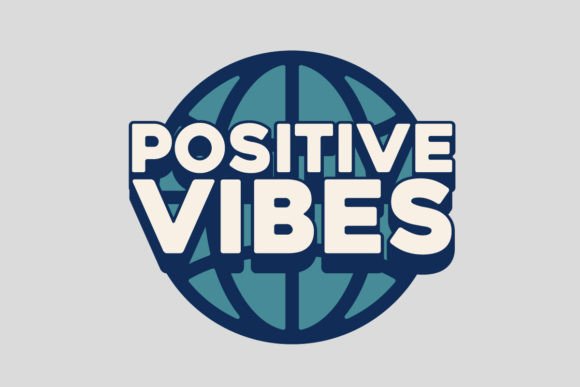
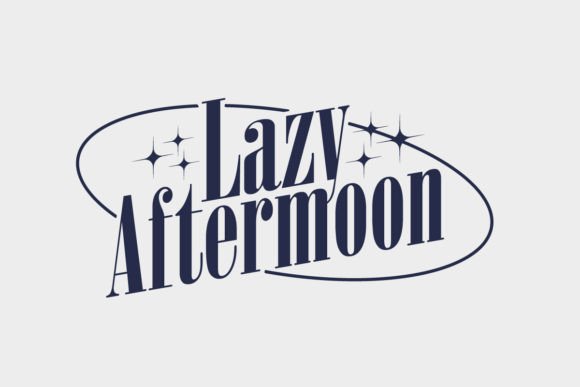
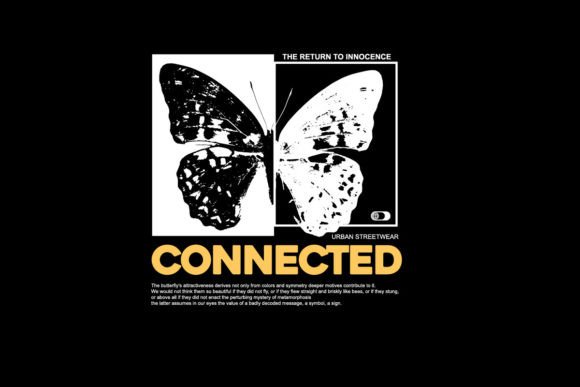
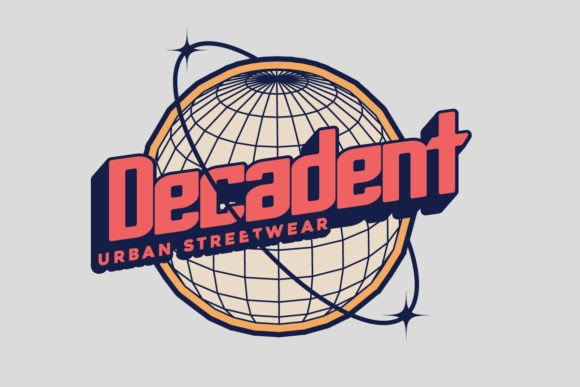
Creating a clothing line or designing standout merchandise often starts with a spark of an idea, but turning that concept into a print-ready file can be a major hurdle. You might have a killer quote or a specific aesthetic in mind, but lack the time or advanced software skills to build the graphic from scratch. This is where high-quality design templates become invaluable, acting as a professional foundation you can build upon. The focus here isn't on a static font file, but on a complete, editable design system: a collection of unique and aesthetic sticker and t-shirt quote designs built for creators. These templates are specifically crafted for the streetwear fashion scene, offering that raw, expressive energy that defines the culture.
What Exactly Are These Streetwear Design Templates?
At their core, these are pre-designed graphic compositions centered around popular and impactful quotes. Think of them as professional design assets that capture the personality of streetwear—bold, often typographic, and full of attitude. The visual characteristics lean towards a modern, edgy style that resonates with a younger, fashion-conscious audience. Unlike a simple clipart or a static image, these are delivered as 100% vector source files in EPS format. This is the critical detail that separates them from basic downloads. Vector files are the industry standard for professional design because they are mathematically defined, not pixel-based. This means you can scale the design from a small chest print to a massive back print without any loss of quality or sharpness. The files also include high-resolution JPGs, perfect for quick mockups or for printers who request that format. Everything comes in a single, compressed ZIP file for easy downloading and organization.
The Real-World Power of Editable Vector Files
The true value of these templates lies in their editability. You can open the EPS file in vector graphics software like Adobe Illustrator, Affinity Designer, or even the free and powerful Inkscape. From there, the design is your canvas. You can easily transform, scale up & down, add & remove elements or text, and recolor without losing quality. This flexibility is a game-changer for practical application.
Imagine you're launching a small streetwear brand. You find a template with a quote that perfectly captures your brand's voice, but the font isn't quite right, or the color scheme clashes with your palette. Instead of starting over, you simply select the text, change the typeface to your brand's premium font, and adjust the color values. Maybe you want to add your logo mark or a subtle texture overlay. With vector files, you can incorporate these elements seamlessly. For a content creator or blogger, you might use a template to create a limited run of merchandise for your community. The ability to tweak the design ensures it feels authentic to your personal brand identity, not like a generic, off-the-shelf product. This level of control is what makes these design assets so powerful for building a consistent and professional brand identity.
Where These Templates Excel: From Apparel to Digital Branding
While their primary purpose is for t-shirt sublimation & other merchandise like hoodies, tote bags, and stickers, the applications extend far beyond clothing. The clean, vector-based nature of these designs makes them suitable for a wide range of projects.
- Apparel & Merchandise: The obvious use. Create custom printed clothing for your brand, an event, a fan community, or a personal project. The high-resolution files ensure crisp, clean prints on various fabrics.
- Digital & Social Media: Use the designs as eye-catching graphics for Instagram posts, story backgrounds, or even as part of a YouTube channel banner. The aesthetic quotes can drive engagement and reinforce your brand's visual language.
- Stickers & Physical Goods: The sticker design aspect is perfect for creating die-cut vinyl stickers, laptop decals, or packaging seals. This is a low-cost, high-impact way to spread brand awareness.
- Web & Editorial Design: A single, bold typographic element from a template can be extracted and used as a decorative header in a blog post, a hero image on a landing page, or a section divider in a digital magazine, adding a touch of modern typography and streetwise flair.
Integrating Templates into Your Design Workflow
Adopting these templates into your creative process is straightforward, but a thoughtful approach yields the best results. Start by evaluating the template's core style. Does the overall mood—whether it's gritty, minimalist, or typographically dense—align with your project's goals? A design meant for a hardcore skate brand might not suit a gentle wellness blog, even if you love the quote.
Next, consider font pairing. The template likely uses a specific display font for its impact. If you change it, ensure the new typeface complements the design's structure. Pairing a bold, condensed sans serif from the template with a clean, readable sans serif for your brand name elsewhere can create visual harmony. Always test your final design at the actual print size. What looks great on screen might have lines that are too thin or details too small to reproduce well on fabric.
Finally, while these assets are ready for commercial use, it's always good practice to review any included license terms. For most creators—designers, entrepreneurs, small business owners—these templates are a legitimate and efficient way to produce professional-grade merchandise. They bridge the gap between a creative idea and a tangible product, allowing you to focus on your brand's story and strategy rather than getting bogged down in technical execution from square one. They are not just files; they are a launchpad for your next creative project.